
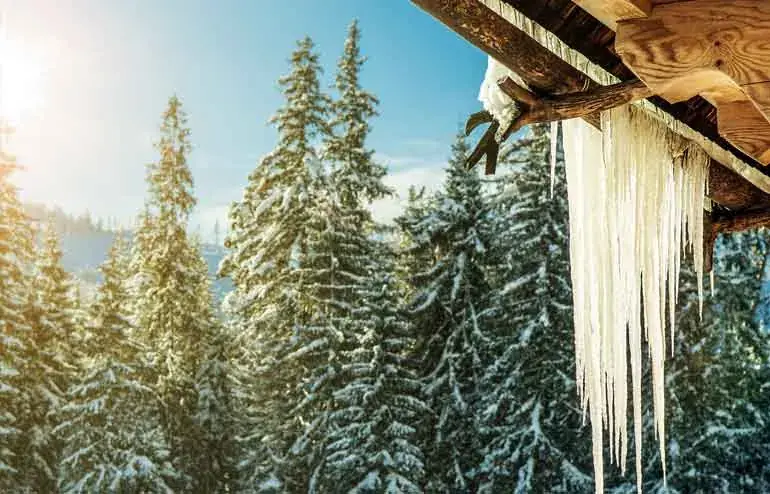
Your roof is built to take a beating, but winter weather in the Burlington and Greensboro area still puts it to the test. Snow loads, ice dams, gusty winds, and freeze-thaw cycles can all chip away at a roof that isn't getting a little attention. A few simple checks now can save you from a leak — and a much bigger repair bill — come spring.
Here are seven things every homeowner should keep an eye on through the colder months.
1. Remove Snow
Heavy snow puts real weight on a roof structure. We don't get major snowfall around the Triad very often, but the occasional storm still rolls through — and even a modest depth of snow adds up to a substantial load. If snow piles up after a storm, clear it off promptly rather than waiting for it to melt on its own. Use a roof rake from the ground where you can, and call in a professional for anything you can't safely reach.
2. Keep an Eye on Ice
Ice can be just as damaging as snow, and it brings a problem all its own: ice dams. When meltwater runs down the roof toward the gutters and refreezes along the cold eaves, it builds a ridge of ice that traps water behind it. That backed-up water works its way under your shingles and into the home, leading to leaks and damaged gutters.
Ice dams are best handled by a professional roofer rather than chipped at yourself. The longer-term fix is usually better attic ventilation, which keeps the roof deck cold and even, so the snow doesn't melt and refreeze in the first place.
3. Fix Flashing
Flashing is the metal that seals the spots where your roof meets a chimney, a vent, or another protrusion. Harsh winter conditions can loosen or warp it, and once flashing fails, water has an easy path inside. If you notice flashing that's lifted, bent, rusted, or missing, get a qualified roofer out to address it before the next storm. This is one of the most common sources of a winter leak.
4. Check Your Gutters
Make a habit of inspecting your gutters through the winter for debris, standing water, and ice buildup. Icicles hanging off the edge, or gutters that are starting to pull away from the house, are clear signs they need clearing. Clogged gutters can't drain meltwater, and that water has to go somewhere — often toward your foundation, where it can cause leaks well before spring arrives.
5. Look for Wind Damage
Winter storms bring heavy winds that can do a number on a roof. After a windy stretch, look over your roof for shingles that are broken, lifted, or missing entirely. Even a few displaced shingles leave the underlayment exposed, and small damage that goes unaddressed quickly becomes a leak. If you spot trouble, our team can take care of roof repair before it spreads.
6. Check the Attic
What's happening inside your attic tells you a lot about the health of your roof. Take a look up there periodically for signs of condensation, water stains, or daylight coming through. Keeping the attic properly ventilated and insulated is essential — it helps prevent ice dams, controls moisture, and protects the roof deck from the inside out.
7. Clear Debris
Finally, give the roof itself a once-over. Leaves, stones, acorns, pine needles, and loose branches tend to collect in valleys and around chimneys, holding moisture against the shingles and trapping ice. Clearing that debris keeps water moving off the roof the way it should.
Let a Pro Take a Look Before Winter Damage Spreads
If you suspect winter has taken a toll on your roof, the smartest move is to have a professional evaluate it. We can make any necessary repairs and put you on a maintenance schedule so the same issues don't come back next year. Our roof maintenance program is built to catch small problems while they're still small.
Redeem Roofing & Construction has served Burlington, Greensboro, Winston-Salem and the wider Piedmont Triad since 2016, and our inspections and estimates are always free. Request your free estimate or call us at (336) 350-1450, and we'll make sure your roof is ready for whatever winter brings.